Oaxaca, one market at a time
Seven moles, a smoky meat market, ancient ruins on a mountaintop and mezcal from a stone mill. Four days in Oaxaca.
 Tomás Rivera
4 min read
Tomás Rivera
4 min read
People go to Oaxaca for the food and stay for everything else. The city sits in a wide green valley in southern Mexico, and it is one of the most generous places I know: colourful streets, big markets, ancient ruins on the hills around it and a kitchen that takes seven kinds of mole very seriously.
I spent four days eating my way through it, one market at a time, with breaks for walking it off. Here is how to do the same.
Best time: October–April · Days: 4 · Budget: Low to mid-range · Getting around: On foot and colectivo · Currency: Mexican peso
Day 1 — The city centre and the first market
Oaxaca's centre is compact and flat, and you can walk it in an afternoon. Start at the Zócalo, the main square, with a hot chocolate made with water and cinnamon. Then walk up the Macedonio Alcalá, the pedestrian street, to the church of Santo Domingo, whose gold-covered chapel stops people mid-sentence.
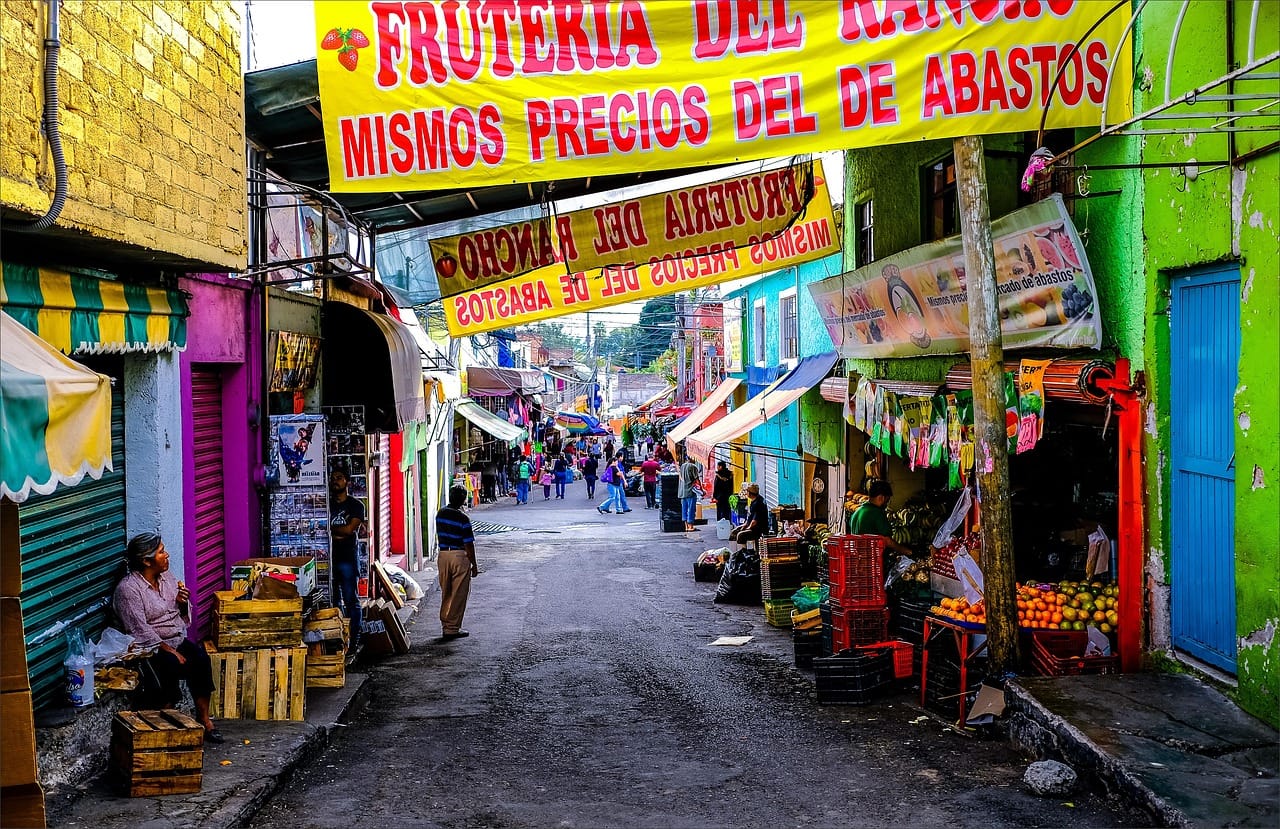
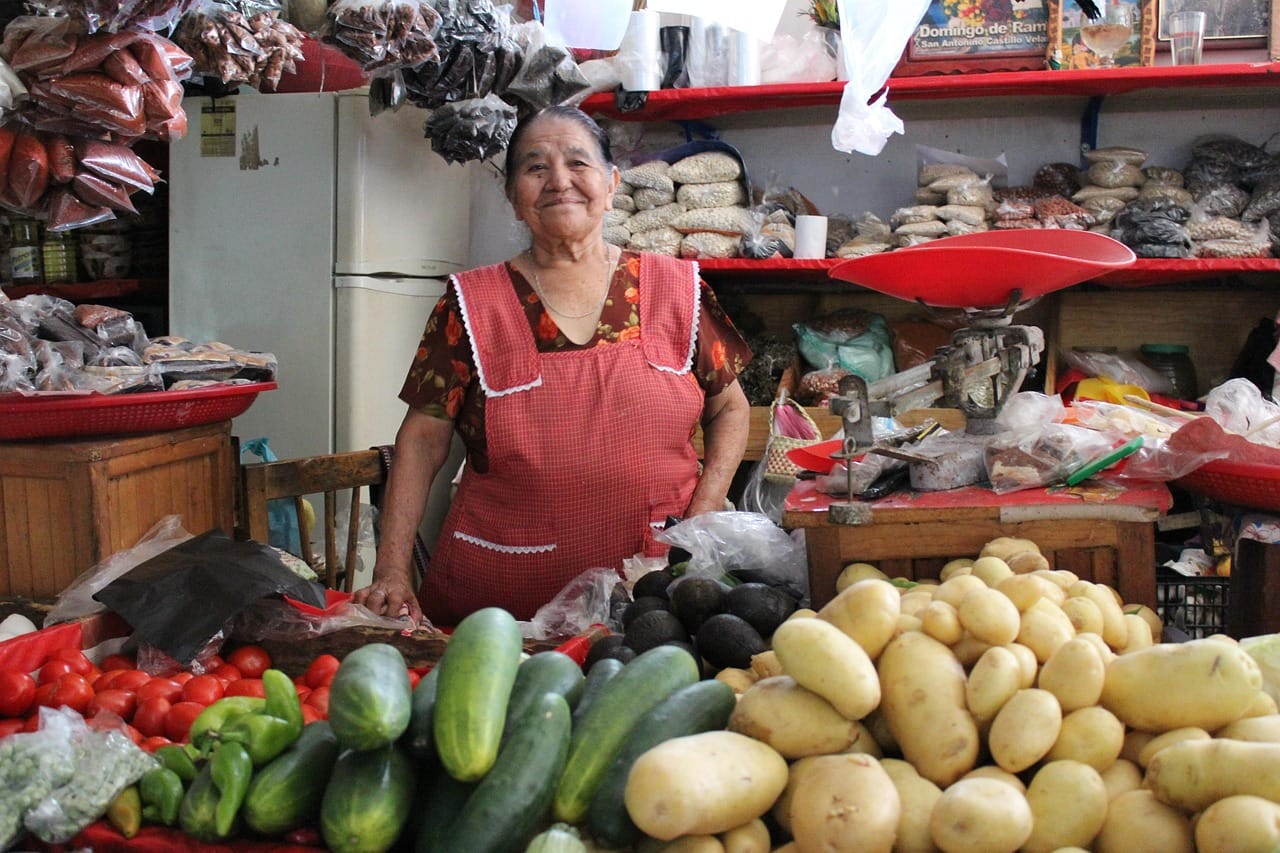
Your first market is the Mercado 20 de Noviembre. Walk through the smoke of the meat aisle, choose your cuts at the butcher's counter, and a grill cook will cook them in front of you. Add onions, chiles and tortillas from the women with baskets, and find a spot at the long tables.
Day 2 — Mole, and the people who make it
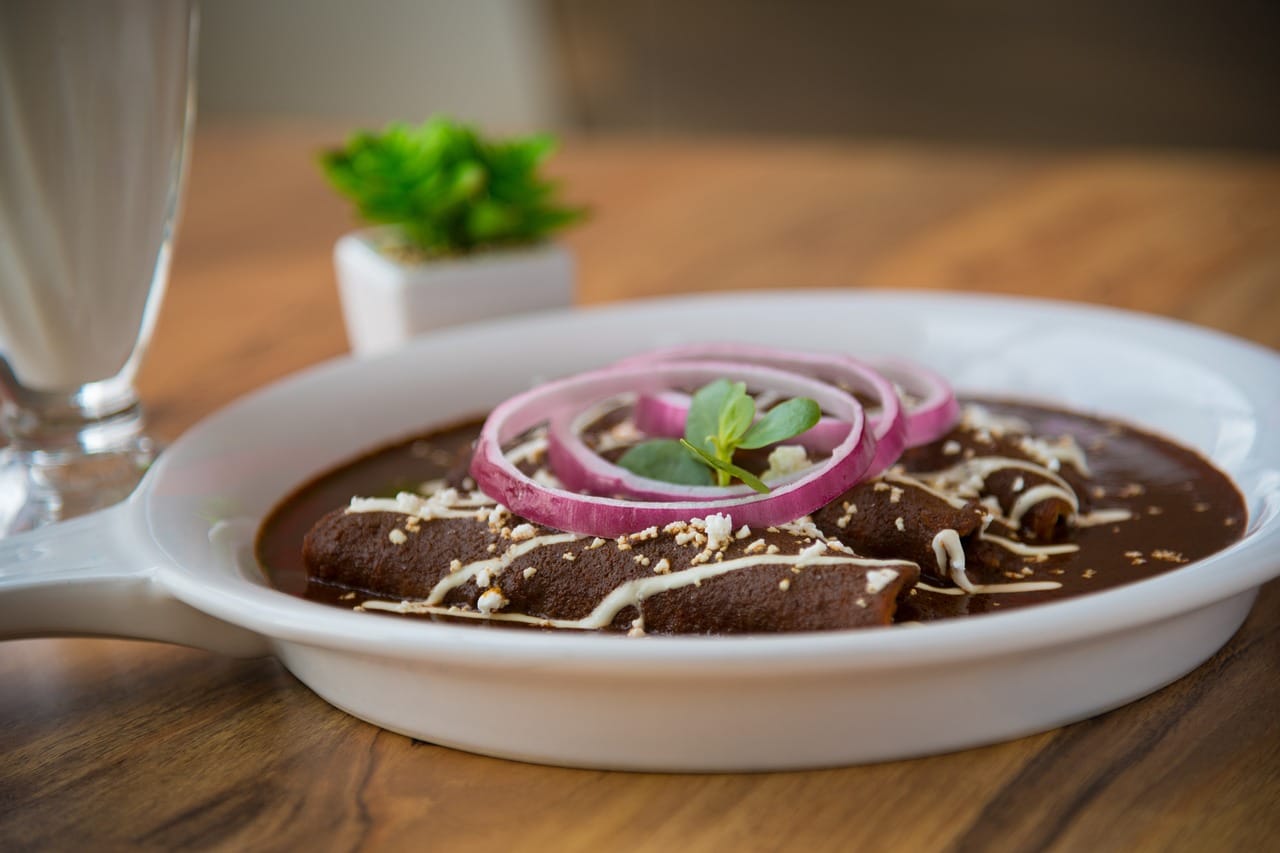
Oaxaca is called the land of seven moles, and a cooking class is the best way to understand why. Most classes start with a morning at a market to buy chiles, seeds and spices, then spend the afternoon toasting, grinding and simmering them into a sauce that takes hours and tastes like no other.
In the evening, try the tlayudas, huge crisp tortillas spread with bean paste and cheese, grilled over charcoal on street corners after dark.
In Oaxaca, a sauce can take three days, and nobody thinks that is strange.
Tomás Rivera
Day 3 — Monte Albán and the valley towns
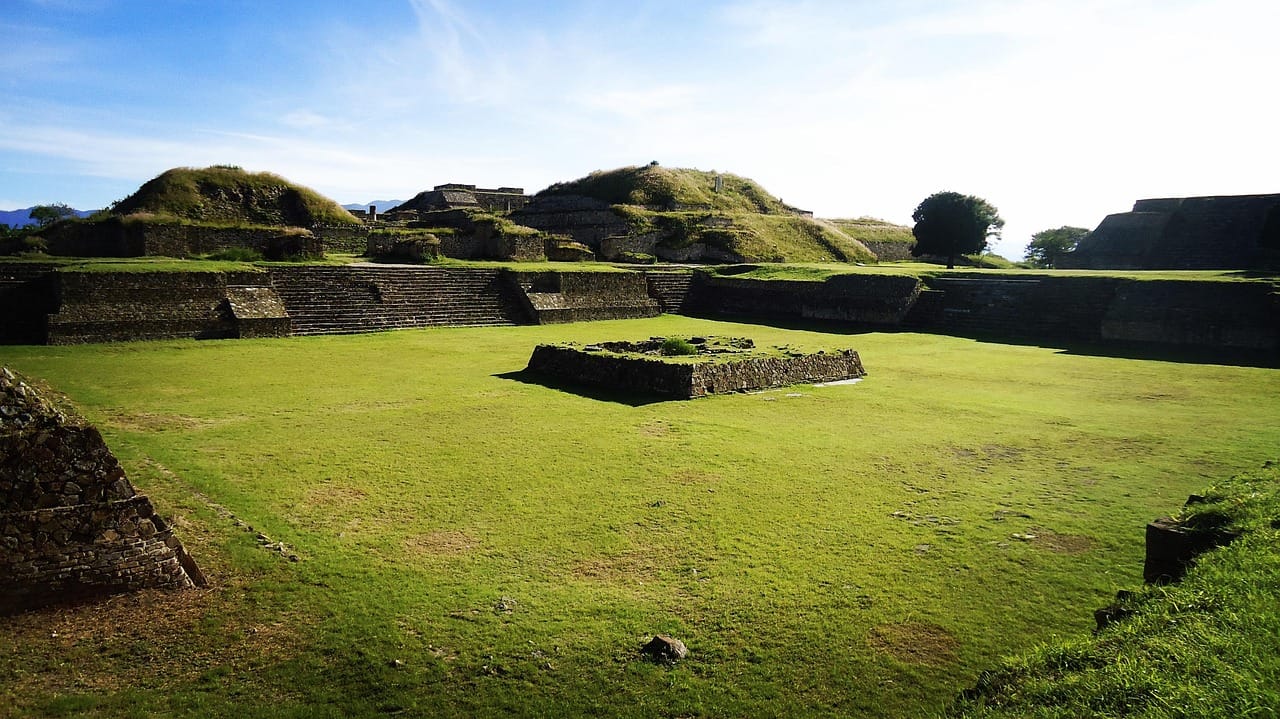
Take the early shuttle up to Monte Albán, the old Zapotec capital, flattened out of a mountaintop more than two thousand years ago. Arrive at opening time; the site is huge, exposed and very hot by noon. Climb the south platform for the view back over the valley to the city.
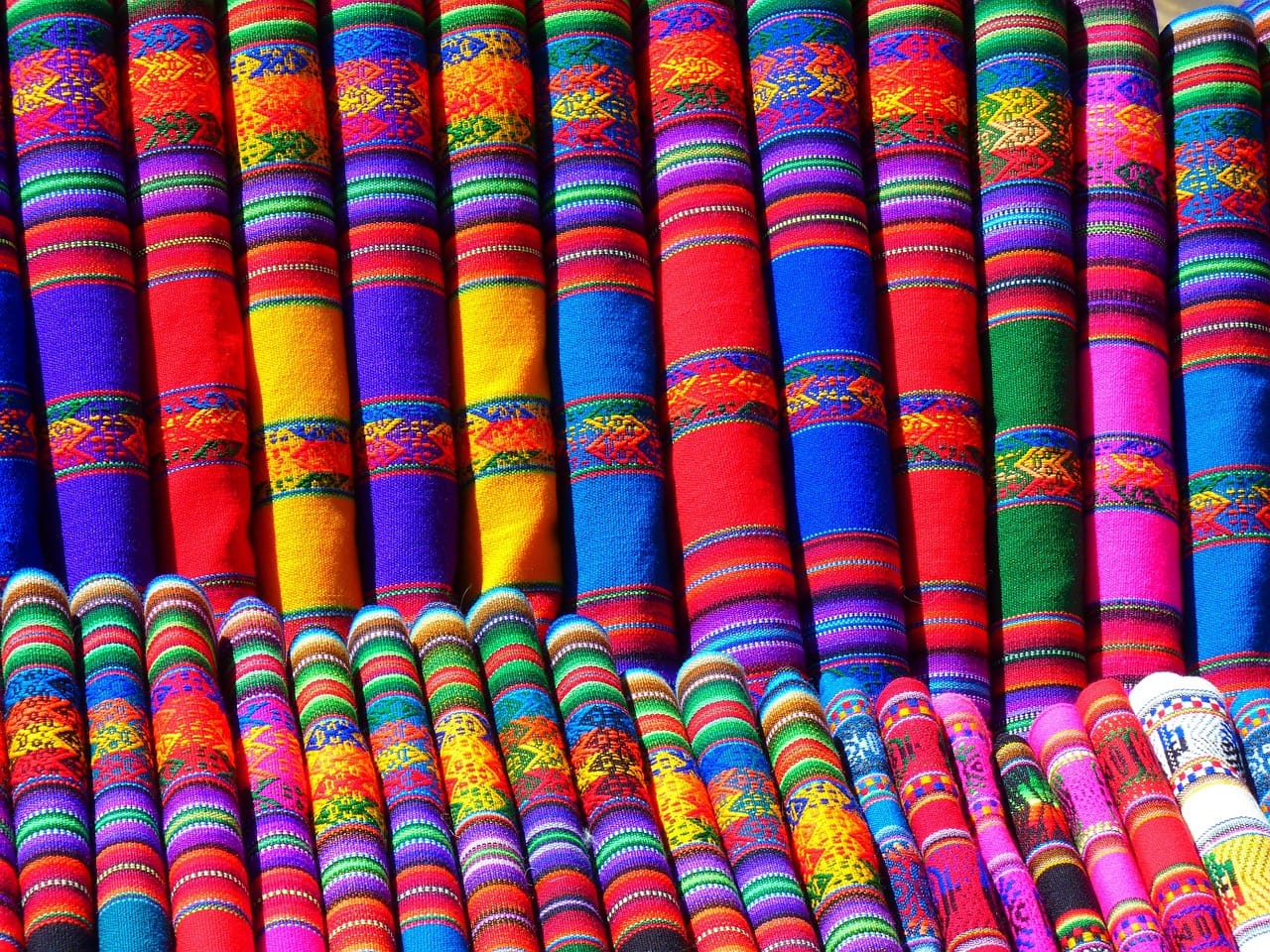
In the afternoon, visit the weaving village of Teotitlán del Valle, where families still dye wool with cochineal, indigo and marigold and weave rugs on wooden looms. Buy directly from the workshops if you can.
Day 4 — Mezcal country
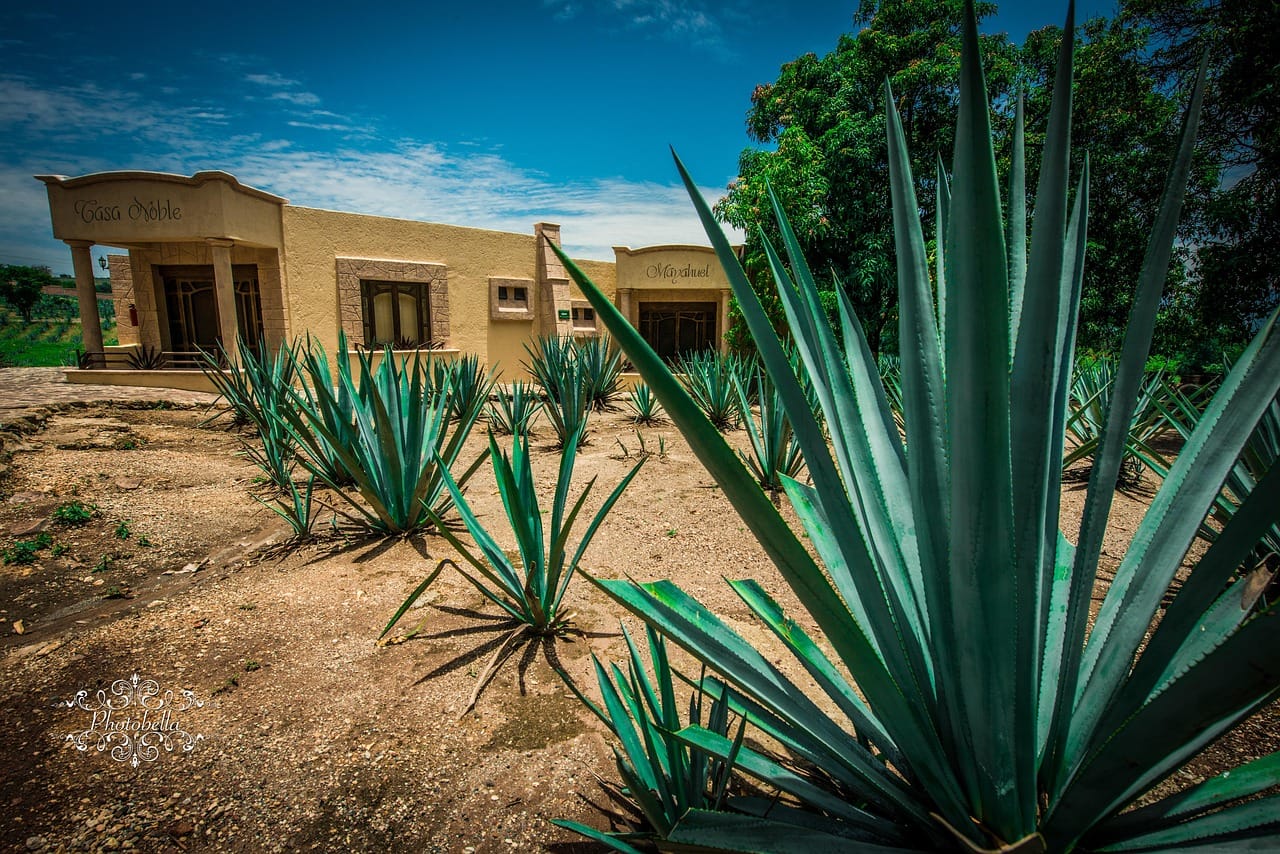
The agave fields start just outside the city. Join a small tour or hire a driver to Santiago Matatlán, where family distilleries, called palenques, still roast agave hearts in underground pits and crush them with a stone wheel pulled by a horse. Taste slowly; the good stuff is strong.
Where to stay and eat
Stay in a small guesthouse in the centre or in Jalatlaco, the quiet, mural-covered neighbourhood just east of it. Both are a short walk from the markets and the best restaurants. For a splurge dinner, book one of the tasting menus that serve modern takes on the seven moles; for everything else, eat in the markets, where a full meal costs a few dollars. Breakfast is the best meal of the day: enfrijoladas, tortillas in black bean sauce, with a cup of chocolate, at a market counter at eight in the morning.
What it cost
Prices per person, for two people sharing, at the time of our trip. Use them as a guide; they change every season.
| Item | Cost |
|---|---|
| Guesthouse, 4 nights (shared) | MX$3,200 |
| Cooking class | MX$1,600 |
| Monte Albán and shuttle | MX$300 |
| Mezcal tour | MX$1,400 |
| Food and drink | MX$3,000 |
| Total, 4 days | about MX$9,500 |
What I would do differently
I would go for longer. Four days is enough to fall in love with Oaxaca and not nearly enough to see the coast, the cloud forests of the Sierra Norte or the hot springs at Hierve el Agua. I would also book the cooking class for the first day, not the second. It teaches you the names of everything you will eat for the rest of the trip, and you order much better afterwards.
Know before you go
- The city is at 1,550 metres. Take the first day easy and drink water.
- Carry small notes for markets and colectivos, the shared taxis to the valley towns.
- The Guelaguetza festival in July is wonderful and very busy. Book months ahead.
- Día de Muertos, at the end of October, is the busiest time of all.
- Tap water is not safe to drink. Refill bottles at your hotel.