Jaipur in pink and gold
Amber Fort at opening time, the Palace of the Winds at sunrise and the bazaars in between. Three days in the Pink City.
 Ada Okafor
4 min read
Ada Okafor
4 min read
Jaipur is called the Pink City, but that is only half the story. The old city walls and bazaars are a warm terracotta pink, painted in 1876 to welcome a visiting prince. Around them, the city is gold, red, blue and every colour in the saris in the markets. It is loud, hot, crowded and absolutely unforgettable.
Here are three days, with an early start at the fort and some quiet corners to rest in between.
Best time: October–March · Days: 3 · Budget: Low to mid-range · Getting around: Tuk-tuk and ride-hailing · Currency: Rupee
Day 1 — Amber Fort
Be at Amber Fort, eleven kilometres north of the city, when it opens at eight. The fort climbs a hill above a lake, a maze of courtyards, gates and halls, including the Mirror Palace, whose walls and ceilings are covered in tiny pieces of glass. Walk up the ramp rather than riding an elephant.
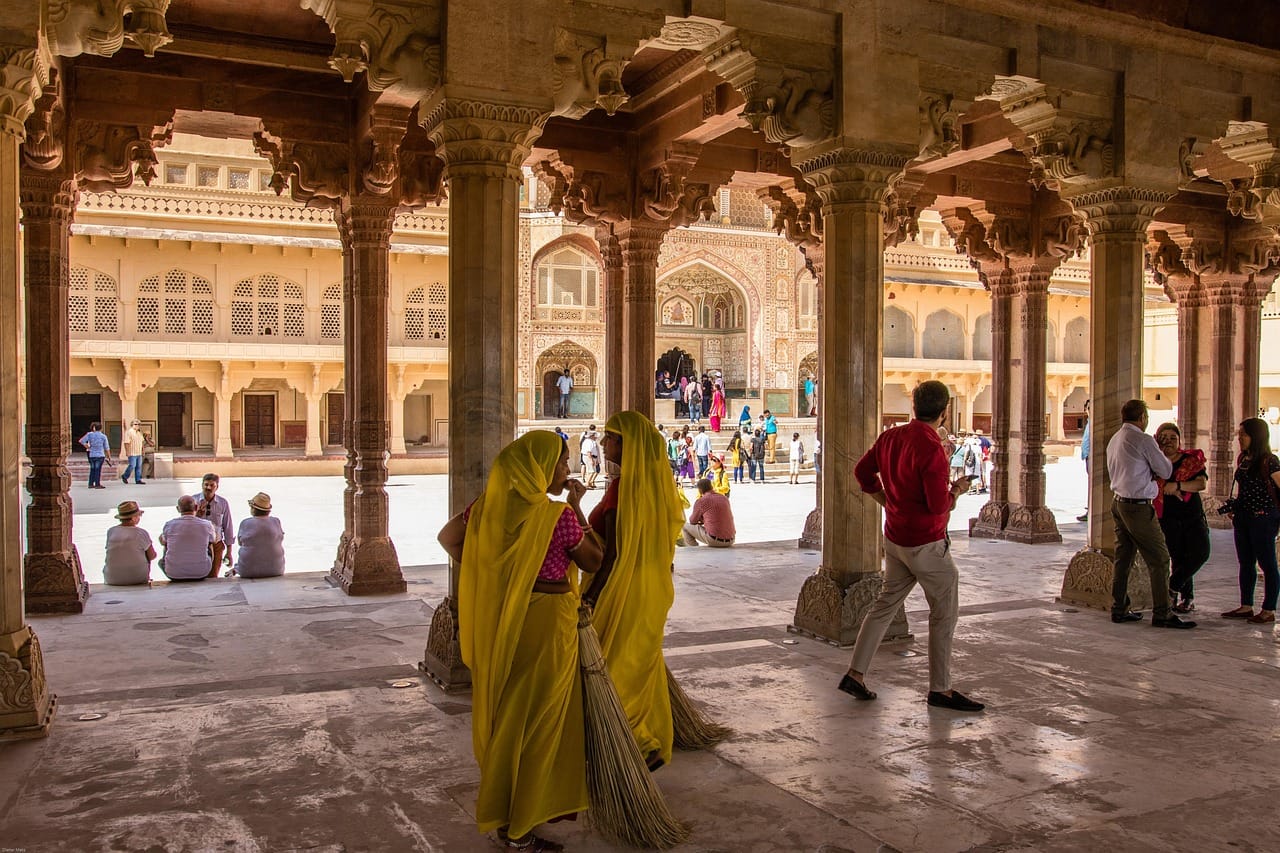
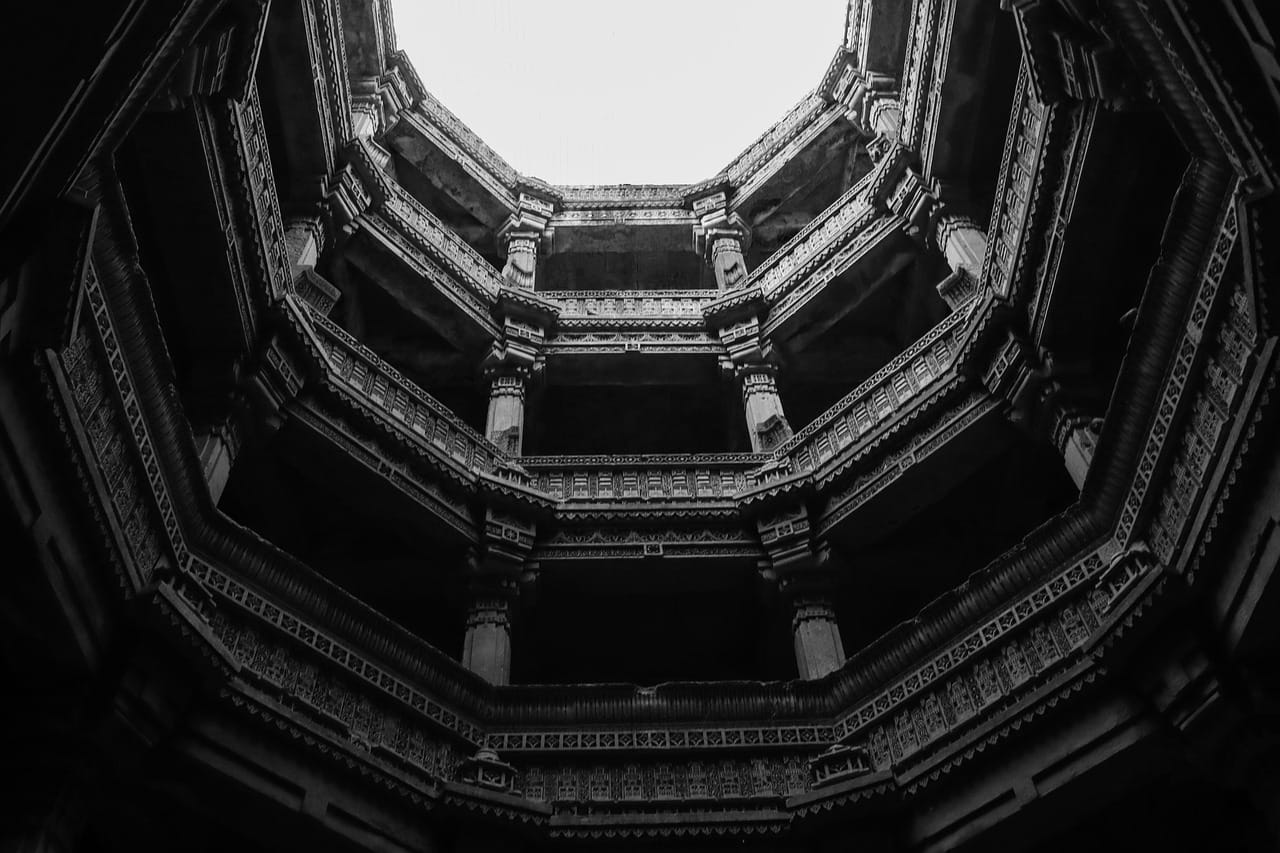
On the way back, stop at the Panna Meena stepwell, a deep square well with stairs on every side, and at Jal Mahal, the palace in the middle of a lake.
Day 2 — The old city
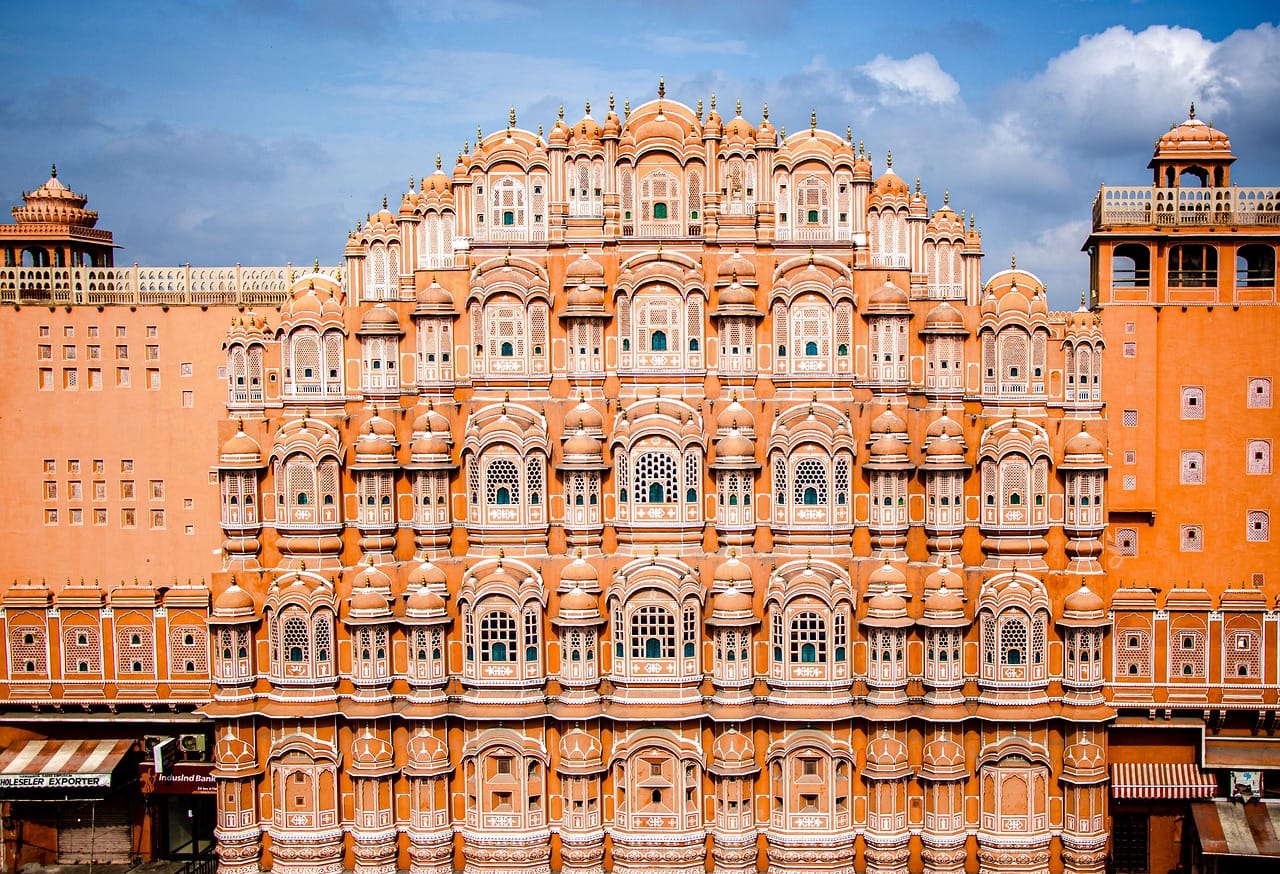
Start with the Hawa Mahal, the Palace of the Winds, at sunrise, when the pink façade glows. It has 953 small windows, built so that the royal women could watch the street without being seen. Then visit the City Palace and the Jantar Mantar, a collection of huge astronomical instruments built in the 1700s.
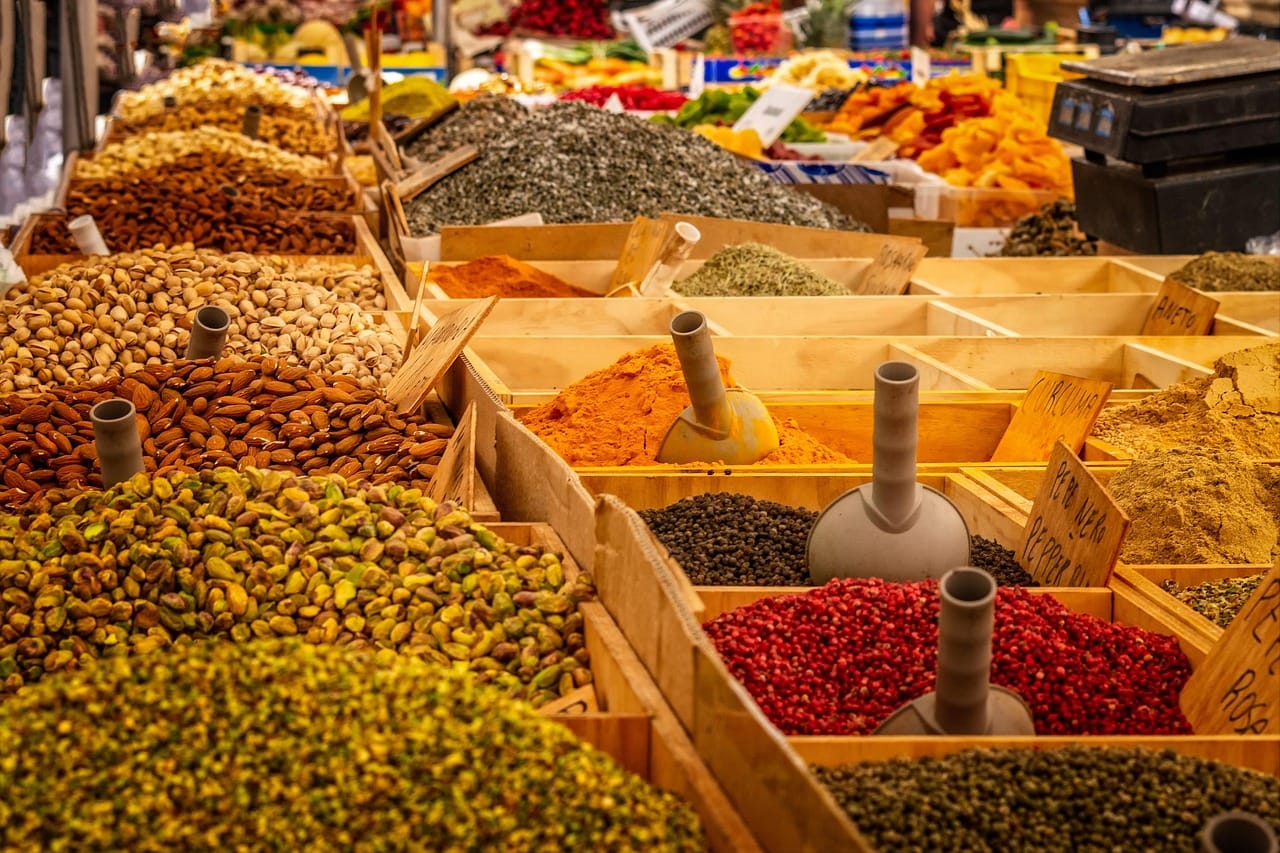
In the afternoon, walk through the bazaars: Johari for jewellery, Bapu for textiles and shoes, Tripolia for brass. Stop for chai whenever you need it.
Jaipur is best in the early morning, before the city turns up the volume.
Ada Okafor
Day 3 — Gates and gardens
Visit Patrika Gate, the most colourful gate in the city, and then Nahargarh Fort, on the ridge above the city, for the view at sunset.
Where to stay and eat
Stay in a heritage haveli, an old mansion turned into a hotel, inside or near the old city. Many have painted courtyards, rooftop restaurants and rooms that feel like small palaces. For food, try dal baati churma, the Rajasthani dish of lentils, baked wheat balls and sweet crumble, and pyaaz kachori, spicy onion pastries, from the famous shops near the Hawa Mahal. The lassi shop on MI Road serves thick yogurt drinks in clay cups, and it has been doing so since 1944.
Extra day — Ranthambore
Three hours by train from Jaipur, Ranthambore National Park is one of the best places in India to see tigers in the wild. Safaris go out at dawn and in the afternoon in open jeeps. Sightings are never guaranteed, but the park, with its old fort, lakes and banyan trees, is beautiful even without them.
What it cost
Prices per person, for two people sharing, at the time of our trip. Use them as a guide; they change every season.
| Item | Cost |
|---|---|
| Haveli hotel, 3 nights (shared) | ₹9,000 |
| Composite monument ticket | ₹1,000 |
| Tuk-tuks and rides | ₹1,500 |
| Food and chai | ₹3,000 |
| Amber Fort | ₹500 |
| Total, 3 days | about ₹15,000 |
What I would do differently
I would leave more time for rest. Jaipur is exciting and exhausting, and the best parts of each day were the quiet hours in the courtyard of the hotel in the heat of the afternoon. I would also hire a guide for the Amber Fort and the City Palace, because the stories behind the rooms are half the experience. And I would buy fabric, not ready-made clothes, and have it made up by a tailor in town.
Know before you go
- Buy a composite ticket; it covers most monuments over two days.
- Agree the tuk-tuk fare before you set off, or use a ride-hailing app.
- Dress modestly and carry a scarf for temples.
- Drink bottled water and eat where it is busy.
- Shops that drivers take you to often pay commission. Choose your own.