Kyoto before the crowds wake up
An early-riser's guide to three days in Kyoto: the torii gates at dawn, the bamboo grove at seven and a tea ceremony to finish.
 Ada Okafor
4 min read
Ada Okafor
4 min read
Kyoto has a problem, and it is you and me. The city has more than a thousand temples and shrines, and in the middle of the day, the famous ones are as crowded as a train station. But Kyoto also wakes up early, and for the first two hours of the morning, it still feels like the city in the photographs.
So this is an early-riser's guide. Three days, alarms at six, the big sights before breakfast and the quieter places after. You will be tired. It is worth it.
Best time: Late March or November · Days: 3 · Budget: Mid-range · Getting around: Bus, train and bike · Currency: Yen
Day 1 — Fushimi Inari at dawn
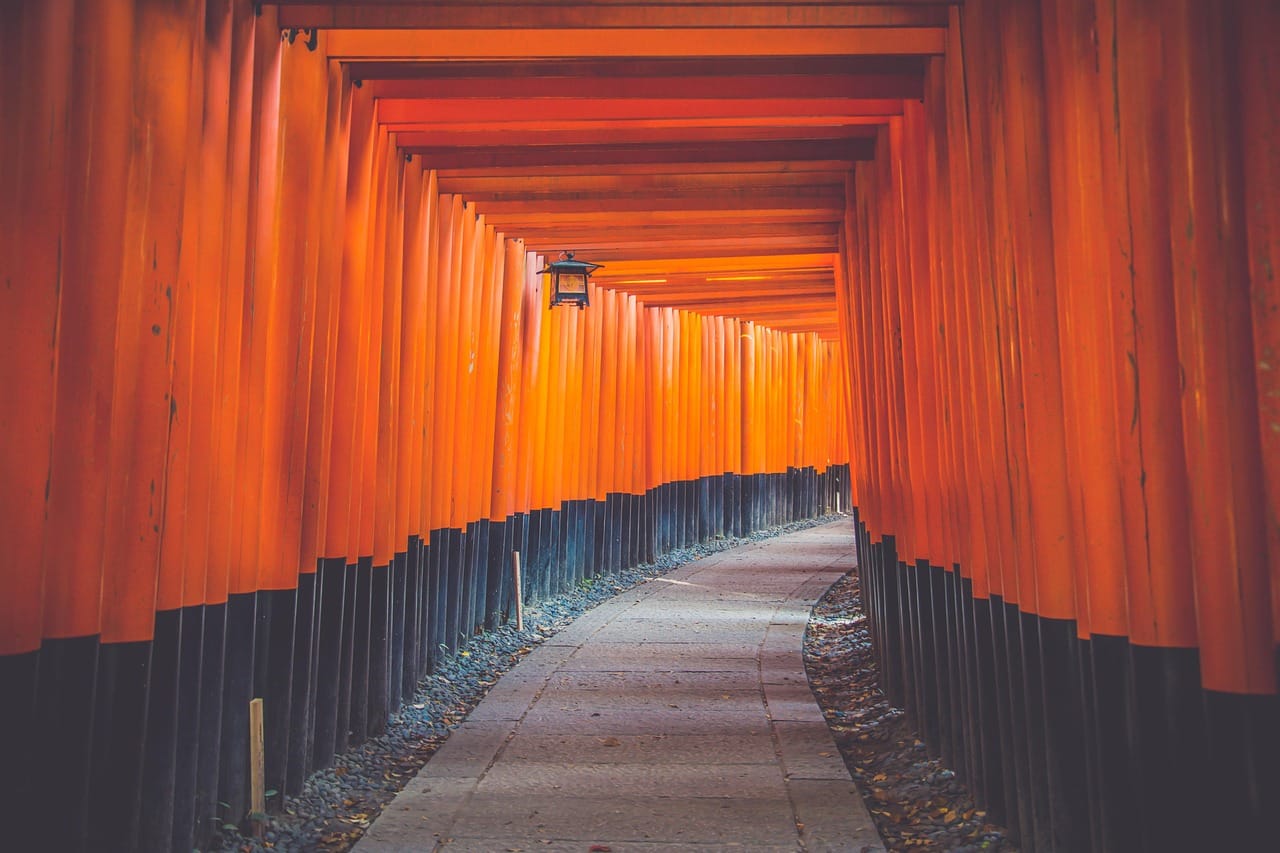
Take the first JR train to Inari station and be at the shrine gates by half past six. The path of ten thousand orange torii gates climbs the mountain behind the shrine, and at this hour you will share it with a few joggers and the people who sweep the steps.
Walk at least to the Yotsutsuji crossing, about forty minutes up, where the view opens over the south of the city. Most visitors turn back at the first viewpoint, so the gates above are almost empty even later in the day.
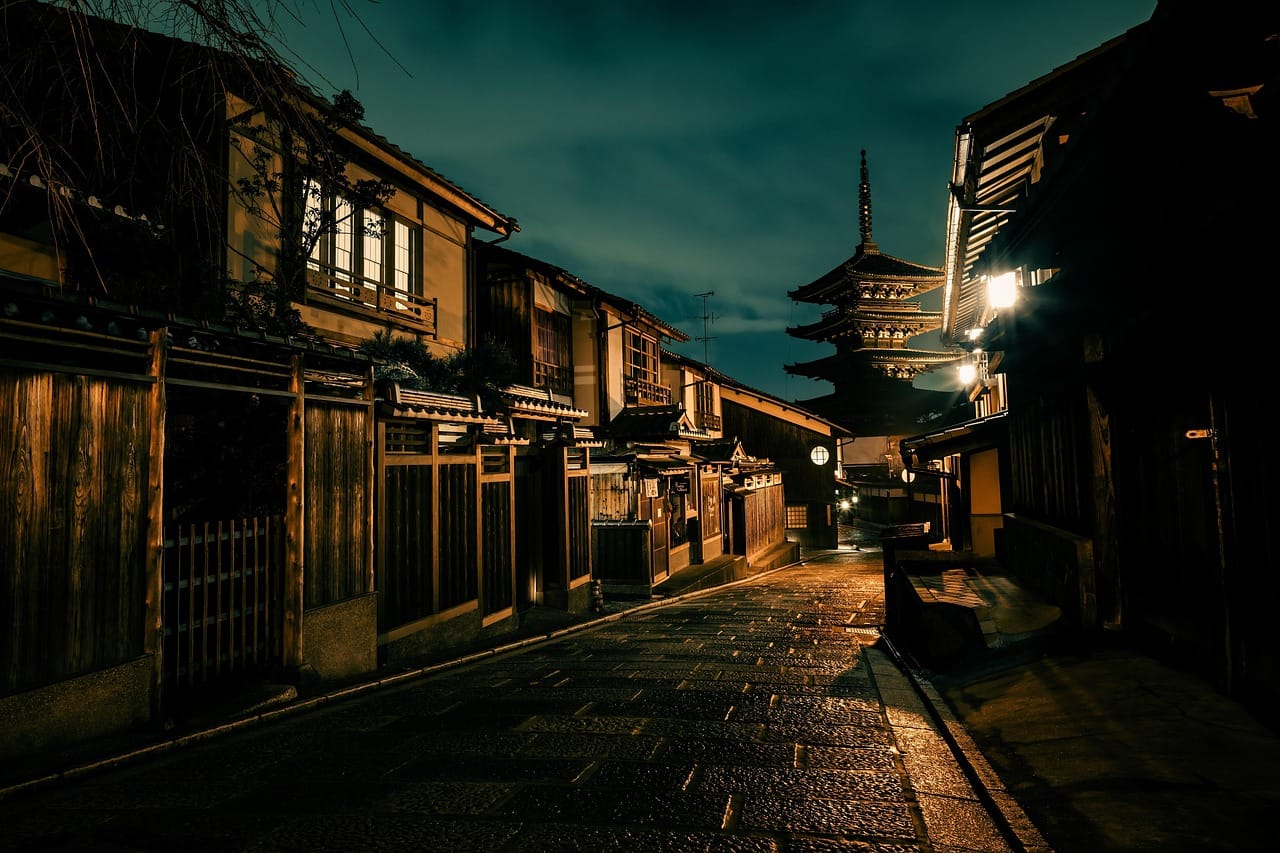
In the afternoon, go to Gion and walk the Shirakawa canal and Hanamikoji Street as the lanterns come on. Please do not follow or photograph the geiko and maiko; they are on their way to work.
Day 2 — Arashiyama and the bamboo grove
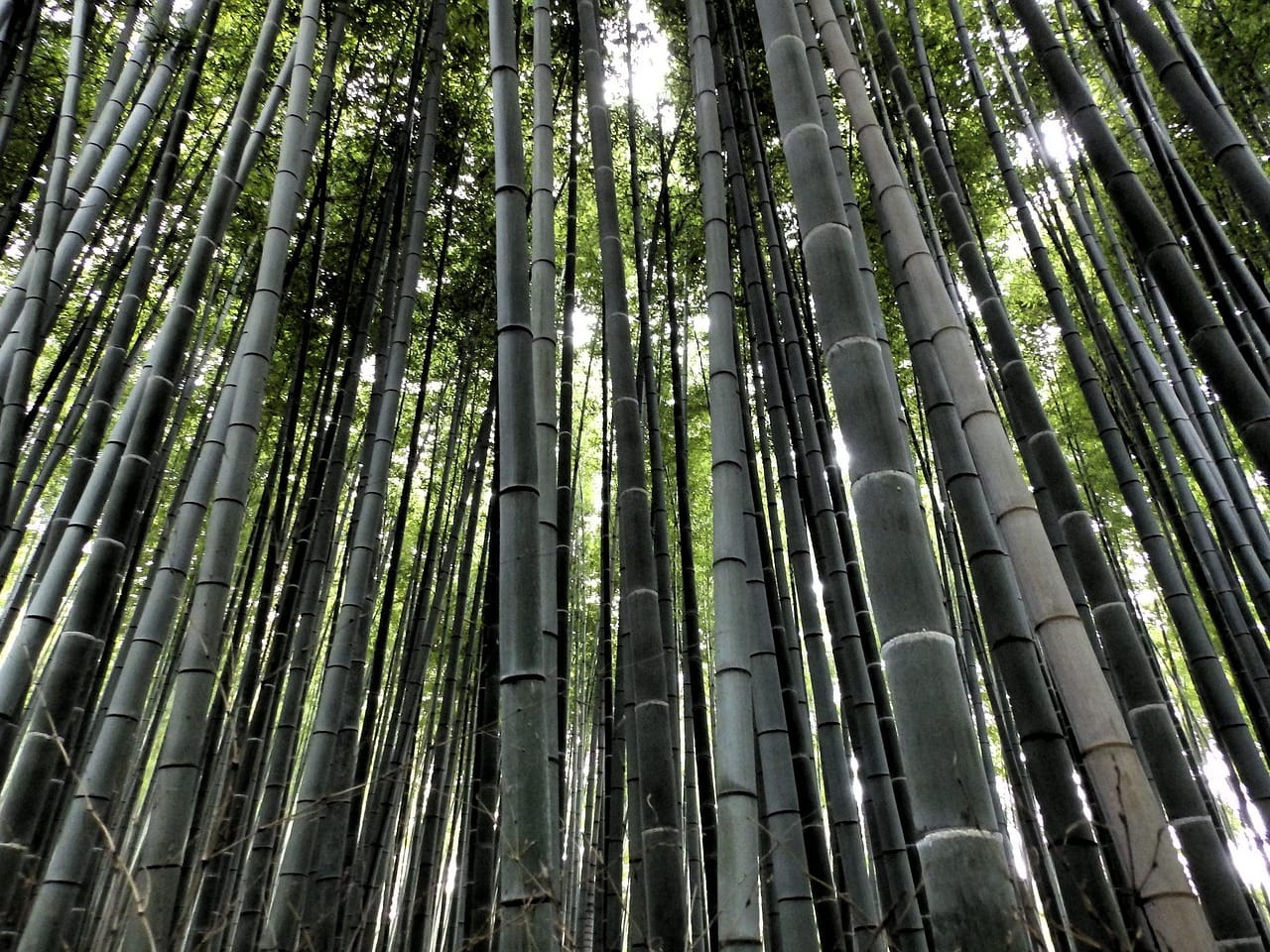
The bamboo grove is the most photographed place in Kyoto, and by nine it is shoulder to shoulder. At seven, you can hear the stalks knock together in the wind. Go early, then keep walking north past the grove to the quiet temples of Okochi Sanso and Gio-ji, whose moss garden is one of my favourite places in Japan.
Stop for tofu for lunch: Arashiyama is famous for it, and a simple set of yudofu, tofu simmered in a clear broth, is warming and very good. In the afternoon, rent a bike and ride back along the river towards the city.
The best way to see a crowded city is to be awake when it is asleep.
Ada Okafor
Day 3 — Gold, zen and a tea ceremony
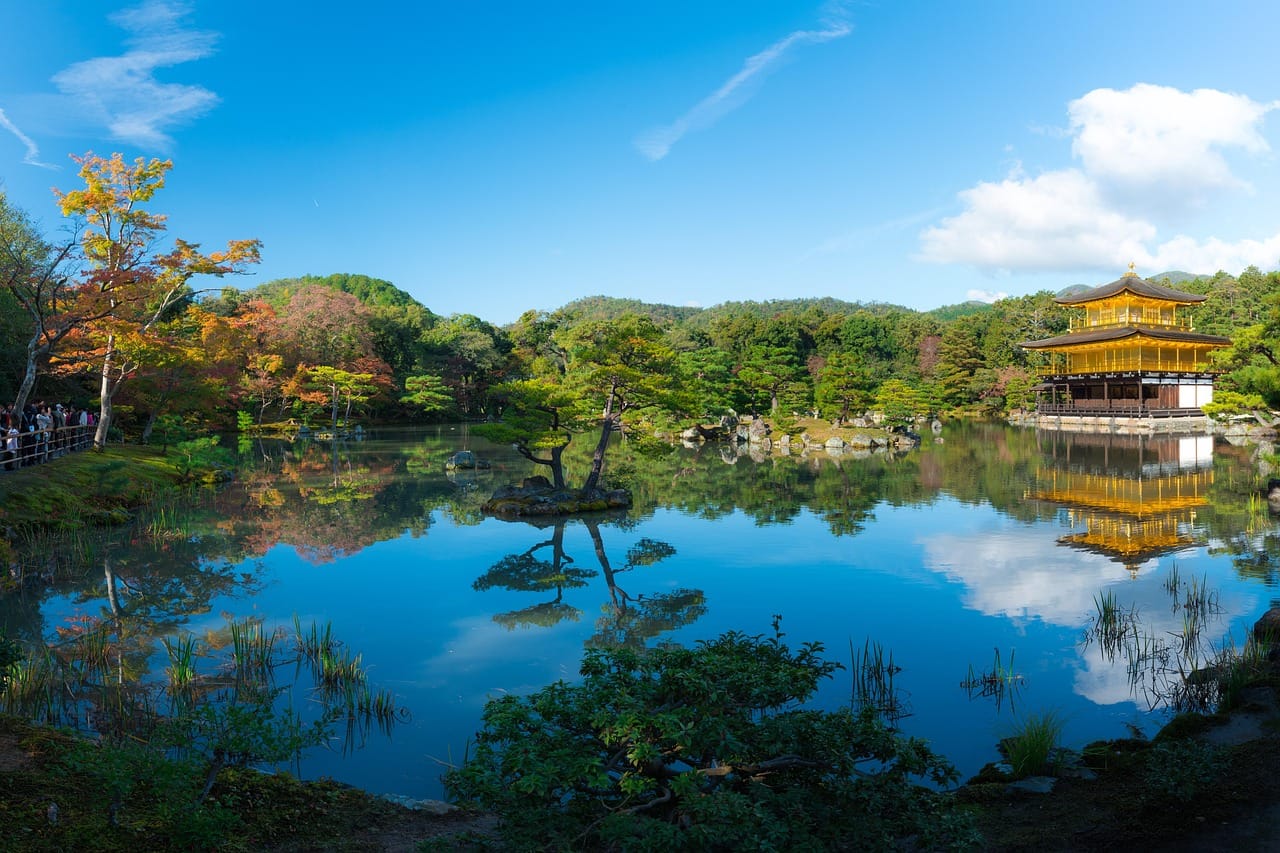
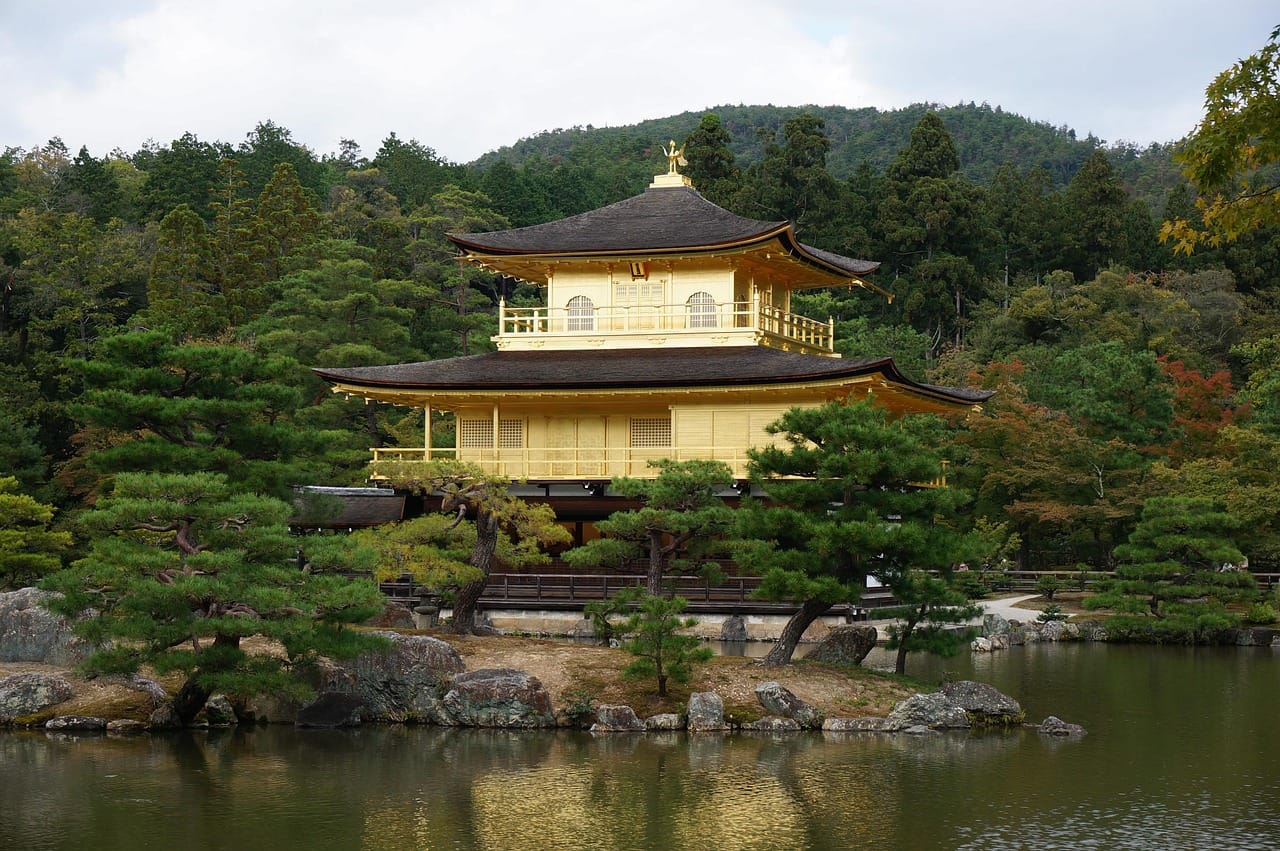
Start at Kinkaku-ji, the Golden Pavilion, right at opening time. It is small, and it is exactly as bright as the photos promise, especially with sunlight on the pond. From there, it is a short bus ride to Ryoan-ji and its famous rock garden: fifteen stones in raked gravel, arranged so that you can never see all fifteen at once.
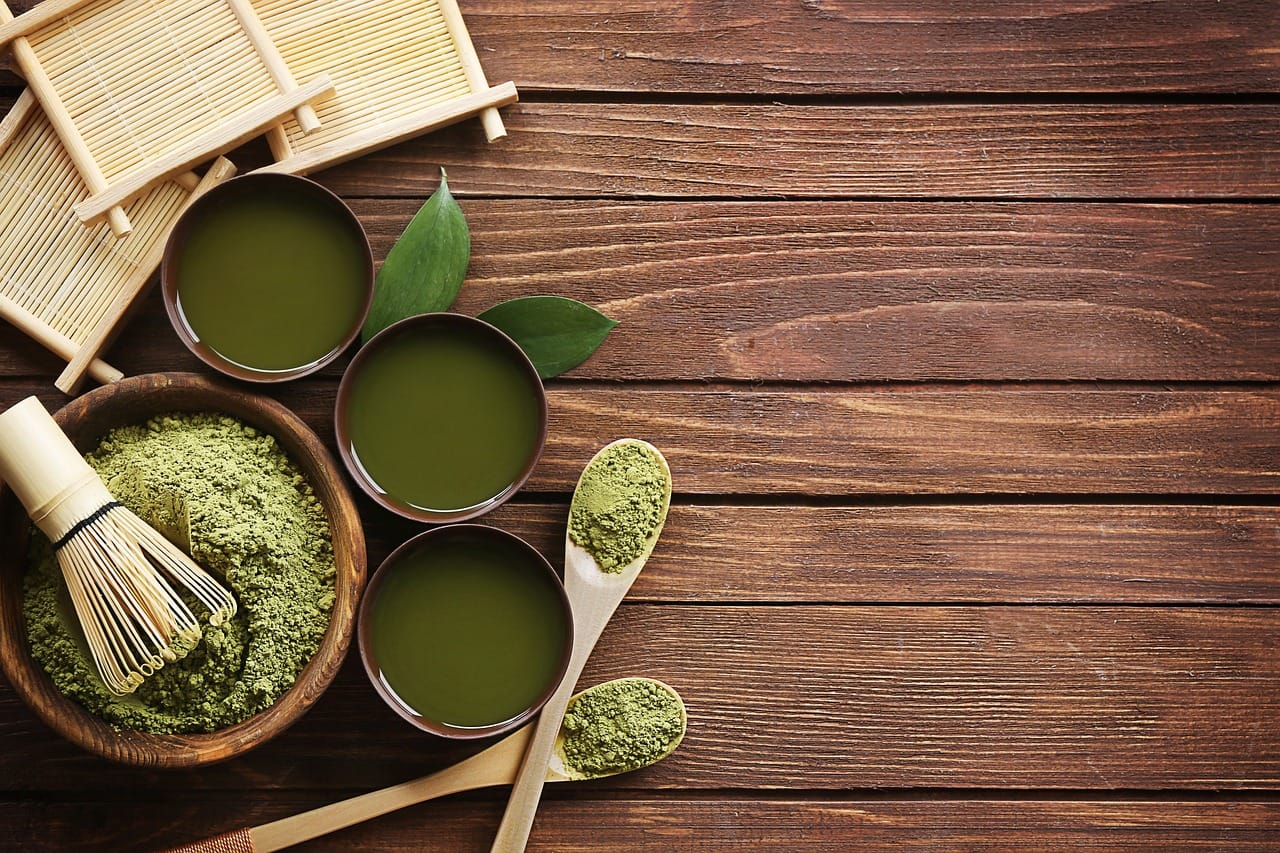
Finish the trip with a tea ceremony. Several small tea houses run short sessions in English that explain each step: the cleaning of the bowl, the whisking of the matcha, the way you turn the bowl before you drink. It is slow and calm and the perfect end to three early mornings.
Where to stay and eat
Stay near Kyoto Station for easy trains, or near Shijo-Karasuma for walking to Gion and Nishiki Market. Try at least one night in a ryokan, a traditional inn with tatami rooms and a shared bath. For food, the Nishiki Market is best mid-morning; the small stalls sell pickles, grilled skewers, sweets and tamagoyaki on a stick.
What it cost
Prices per person, for two people sharing, at the time of our trip. Use them as a guide; they change every season.
| Item | Cost |
|---|---|
| Business hotel, 3 nights (shared) | ¥36,000 |
| Buses and trains | ¥4,000 |
| Temple entries | ¥3,500 |
| Food | ¥15,000 |
| Tea ceremony | ¥4,500 |
| Total, 3 days | about ¥63,000 |
What I would do differently
I would book the ryokan for the middle night, not the last one, so that I could enjoy it without a train to catch in the morning. I would also give Nara, forty-five minutes away by train, a half day of its own: the deer park and the giant Buddha of Tōdai-ji are worth the detour. And I would pack slip-on shoes, because at every temple you take them off and put them on again.
Know before you go
- Many temples open at 8:30 or 9:00. Shrines like Fushimi Inari are open all night.
- Carry cash. Small temples and older restaurants often do not take cards.
- Take your shoes off where you see a step up and a row of slippers.
- Eating while walking is frowned upon in many parts of the city. Stand by the stall.
- Book popular restaurants and tea ceremonies before you arrive.