Three slow days in Lisbon
Trams, tiles, custard tarts and a day in the palaces of Sintra. A three-day plan for a city that rewards the slow walker.
 Ines Moreau
4 min read
Ines Moreau
4 min read
Lisbon is a city that punishes a tight schedule. The hills are steep, the trams are slow and every second corner has a viewpoint that asks you to stop for ten minutes. So I stopped fighting it. I gave the city three days, one neighbourhood at a time, and walked everywhere I could.
This is that plan: no queues for famous sights at noon, a lot of coffee, and the long light of the late afternoon on the river. It works best in spring or early autumn, when the days are warm and the evenings are just cool enough for a jacket.
Best time: April–June · Days: 3 · Budget: Mid-range · Getting around: On foot and tram · Currency: Euro
Day 1 — Alfama and the castle hill
Start high and walk down. Take the 28 tram (or a taxi, honestly) up to the castle early, before the tour groups arrive, and walk the walls while the city is still quiet. From there, let the streets of Alfama pull you downhill. There is no good map for this neighbourhood; the lanes twist, split and end in small squares where someone is always hanging washing.
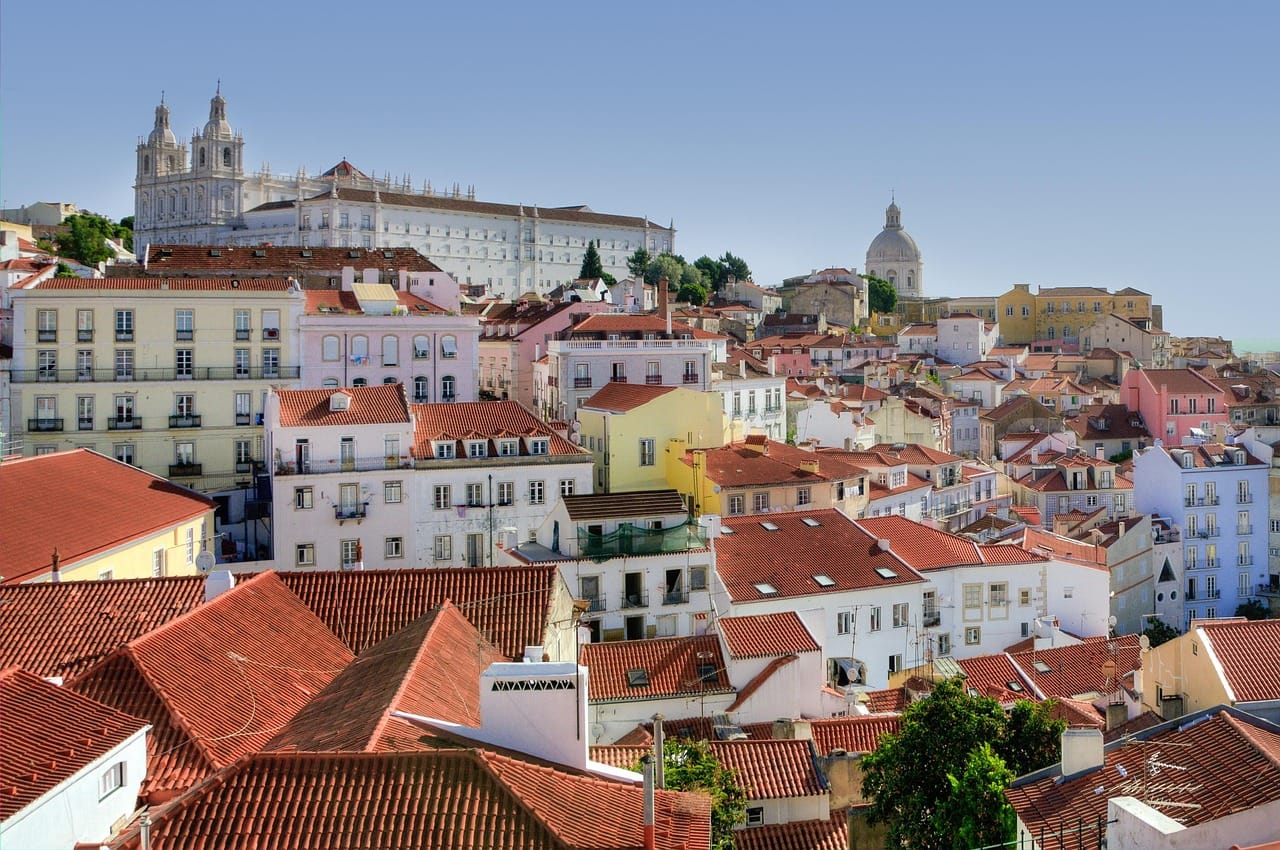
Stop at the Miradouro de Santa Luzia for the view over the red roofs to the river. Then keep going down, past the cathedral, to the river front. By lunchtime you will have seen the oldest part of the city without ever planning a route.
In the evening, come back up for fado. The small places with a handful of tables are better than the big ones with set menus. Arrive around nine, order a glass of wine and let the room go quiet when the singer starts.
Day 2 — Tiles, custard tarts and Belém
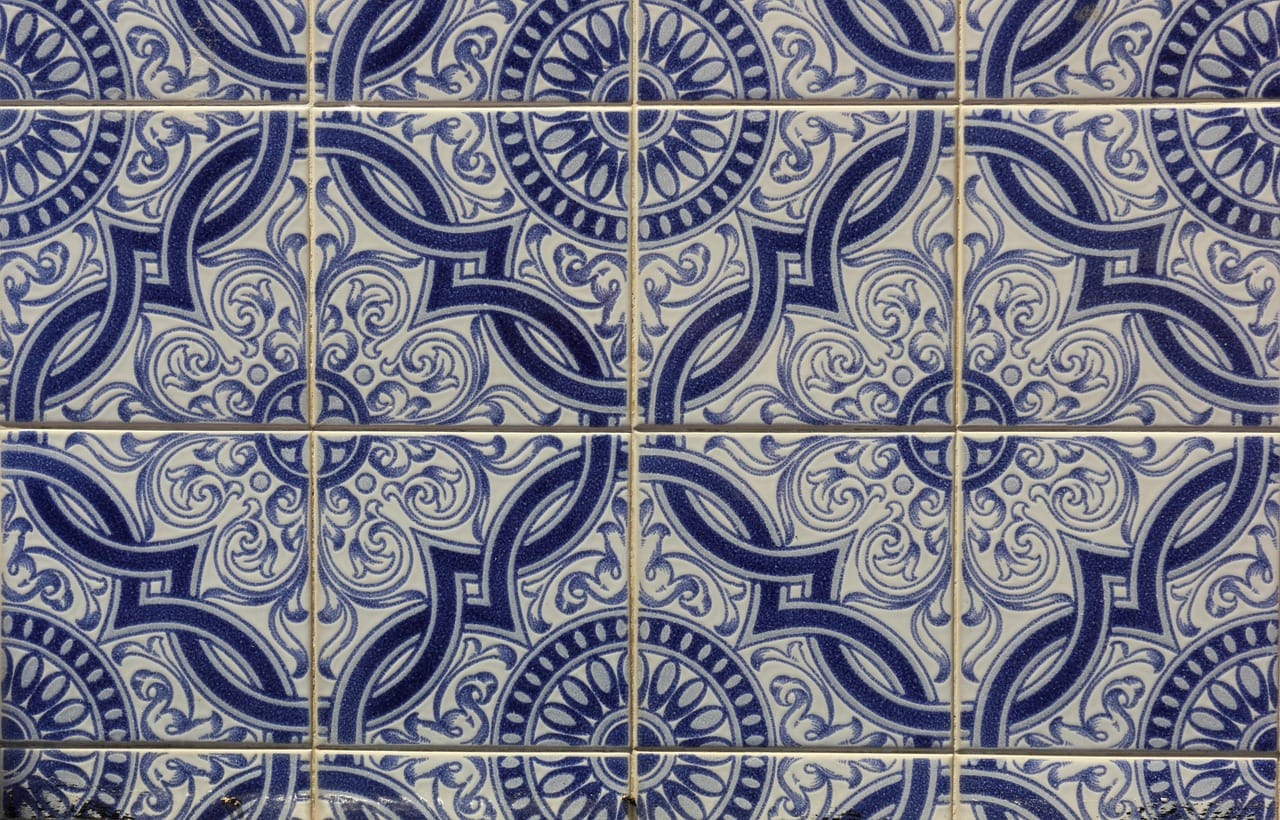
Spend the morning at the National Tile Museum. It sounds like a niche interest; it is one of the most beautiful museums in Europe, set in an old convent, with five centuries of blue-and-white tiles and a panorama of the city before the 1755 earthquake.
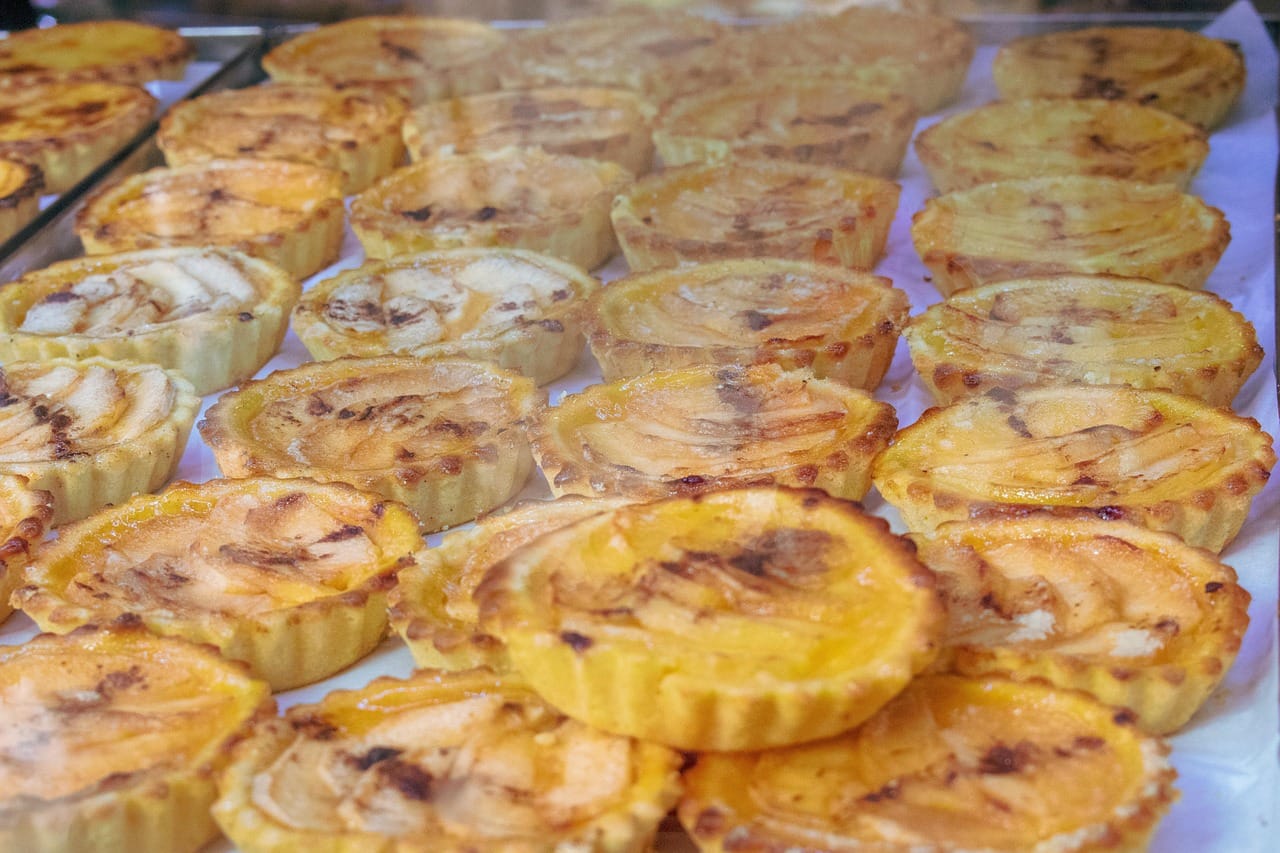
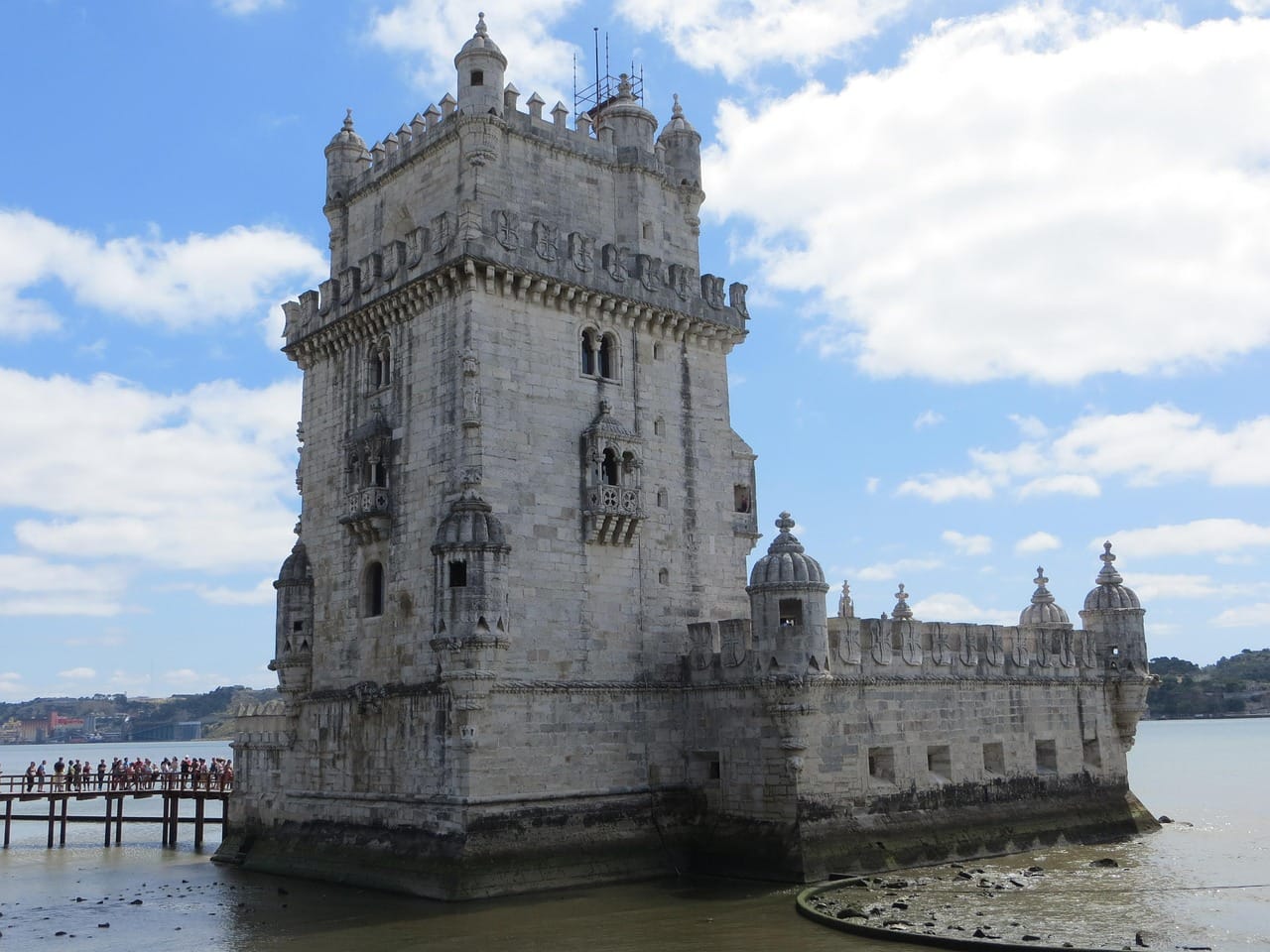
In the afternoon, take the tram west to Belém. Yes, there will be a queue at the famous custard tart bakery. It moves fast, and the tarts come out of the oven warm, with crisp pastry and a burnt, wobbly top. Eat two. Then walk along the river to the tower and the monument to the discoveries, and stay for the sunset under the red bridge.
Lisbon rewards the slow walker. Every time I hurried, I missed something.
Ines Moreau
Day 3 — A day trip to Sintra
Sintra is forty minutes by train from Rossio station and feels like a different country: cool, green, misty and covered in palaces that look like they were designed by a child with a very big box of crayons. Take the first train of the morning and go straight up to the Pena Palace before the buses arrive.
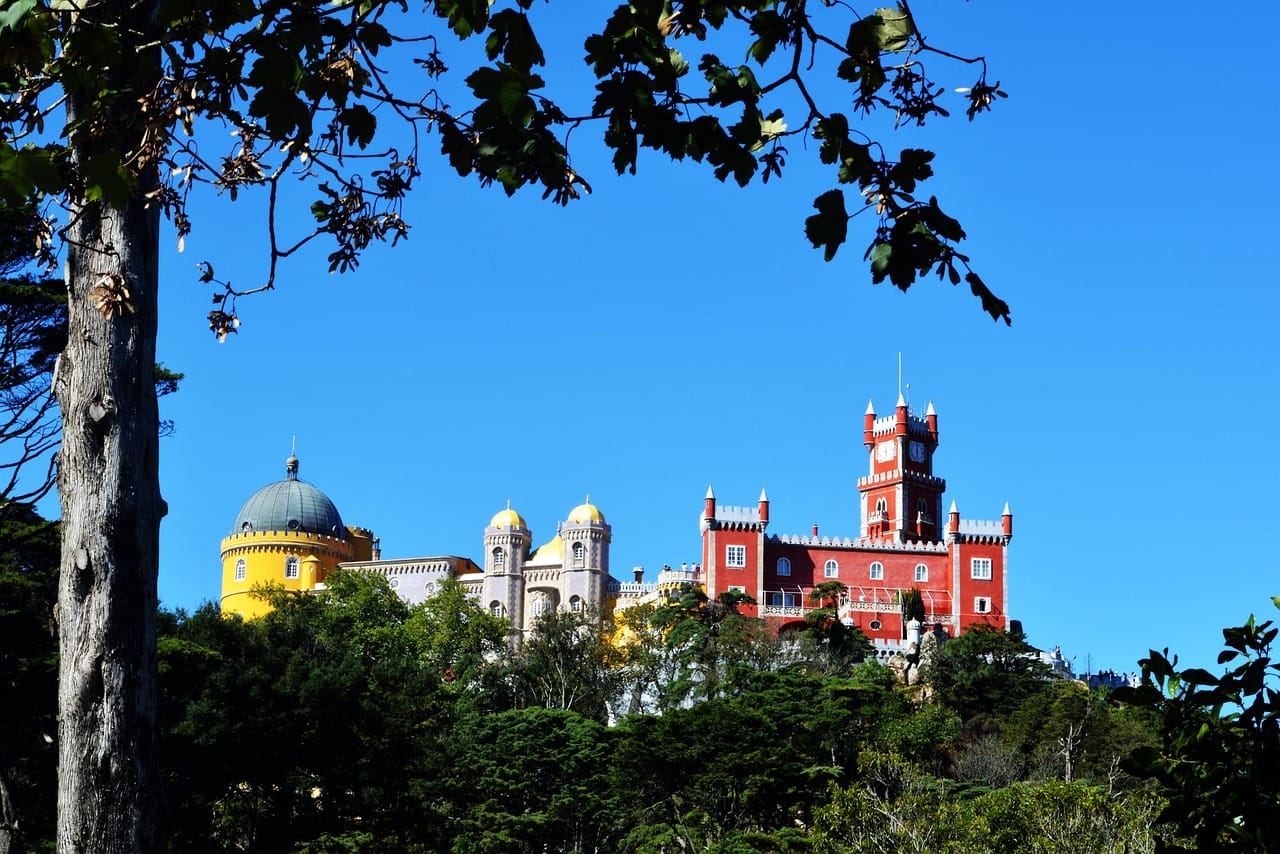
After the palace, walk down through the park to the Moorish Castle, then into the old town for a late lunch. Try the travesseiros, flaky pastries filled with almond cream, at the old bakery near the station. Be back in Lisbon for a last dinner in Bairro Alto, where the streets fill up after ten.
Where to stay and eat
Stay in Baixa or Chiado if it is your first visit: everything is flat, central and walking distance from the trams. Alfama is more atmospheric but the hills get tiring with luggage. For food, look for the small tascas with handwritten menus in the window. Grilled sardines in summer, bacalhau all year, and the house wine by the jug.
What it cost
Prices per person, for two people sharing, at the time of our trip. Use them as a guide; they change every season.
| Item | Cost |
|---|---|
| Hotel in Chiado, 3 nights (shared) | €195 |
| Lisboa Card, 72 hours | €47 |
| Food and drink | €150 |
| Fado night | €40 |
| Sintra palaces | €30 |
| Total, 3 days | about €460 |
What I would do differently
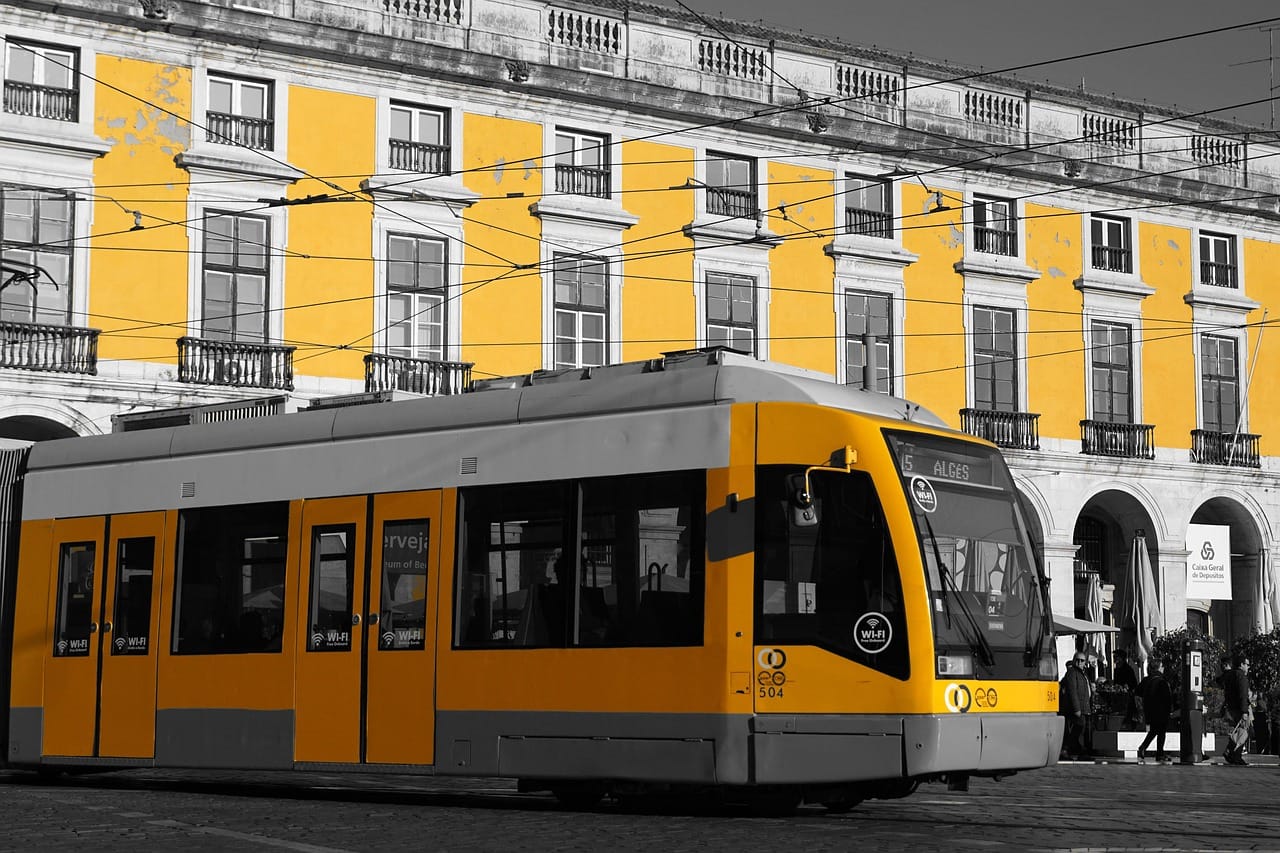
I would stay one more night and spend it in Cascais, the old fishing town at the end of the train line along the coast. I would also skip the famous yellow tram in the middle of the day; walking the same route downhill is faster, cheaper and far more fun. And I would bring a light rain jacket even in June, because the one afternoon it rained was also the afternoon I left mine at the hotel.
Know before you go
- Wear shoes with good grip. The limestone pavements are beautiful and very slippery when wet.
- The 28 tram is a pickpocket's favourite. Keep your phone and wallet in front pockets.
- Many museums close on Mondays. Plan the tile museum for another day.
- Restaurants put bread, olives and cheese on the table. They are not free; send them back if you do not want them.
- Book fado a day ahead on weekends.